



Older homes, renovated storefronts, professional offices, and mixed-use buildings are part of what gives Media, Pennsylvania its character. But behind the walls, aging HVAC equipment, plumbing lines, electrical panels, and building systems can create comfort problems, unexpected repairs, and limitations for modern appliances and equipment.
Modernizing these systems does not always mean replacing everything at once. The right approach is to identify aging or undersized components, prioritize safety and reliability, and plan upgrades that fit how the property is used today.
Quick answer: For residential and commercial properties in Media, the most valuable modernization projects typically focus on HVAC efficiency and comfort, dependable plumbing and water distribution, and electrical capacity that can safely support current demands. Older equipment, repeated repairs, inadequate electrical service, uneven heating or cooling, water pressure problems, and outdated fixtures are all reasons to consider an evaluation before a failure forces an emergency decision.
What local property owners should know
-
HVAC systems should be evaluated for condition, efficiency, airflow, and whether they can consistently heat and cool the entire property.
-
Older properties throughout Delaware County may have building systems that were installed long before today’s electrical loads and comfort expectations.
-
Plumbing modernization can address aging piping, recurring leaks, poor water pressure, inefficient fixtures, and outdated water-heating equipment.
-
Electrical improvements can provide safer, more practical capacity for modern kitchens, offices, HVAC equipment, technology, and other high-demand devices.
-
Media Borough may require permits and inspections for certain mechanical, plumbing, and electrical projects, so project planning should include local requirements.
Why Do Building System Upgrades Matter in Media, PA?
Building system upgrades matter in Media because local properties must handle seasonal temperature changes while supporting modern residential and commercial demands that older mechanical, plumbing, and electrical systems may not have been designed to accommodate. Updating critical components can improve comfort, reliability, safety, and day-to-day functionality while reducing the likelihood of disruptive failures.
The Philadelphia and Delaware County region experiences hot summer conditions as well as freezing winter weather. That puts heating and cooling equipment under seasonal stress while also exposing plumbing systems to cold-weather concerns.
Property types vary considerably throughout the area. Buildings around State Street and the borough’s commercial district can have very different system requirements from single-family homes in surrounding Upper Providence, Nether Providence, Middletown Township, or Rose Tree.
A.L.C. Legacy Group LLC helps property owners in Media evaluate HVAC, plumbing, and electrical needs as part of a practical approach to building modernization. We focus on identifying what should be addressed now, what can be planned for later, and how individual improvements affect the property as a whole.
What Local Data and Conditions Should Property Owners Consider?
Local weather and municipal requirements make system condition, capacity, and project planning especially important for properties in Delaware County. Seasonal heating and cooling demands affect mechanical equipment, while certain plumbing, mechanical, and electrical projects in Media Borough are subject to local permit and inspection requirements.
National Weather Service climate records for the Philadelphia region show substantial seasonal temperature variation. For property owners, that means heating equipment cannot simply be an afterthought because the air conditioner receives more attention during summer.
Media Borough also provides specific permit information for plumbing, mechanical, and electrical work. Depending on the project, work may need to be permitted and inspected before walls are closed or components become inaccessible.
For owners planning renovations, tenant improvements, equipment replacements, or larger modernization projects, checking these requirements early can prevent unnecessary project delays.
How Can Outdated Systems Affect Homes and Commercial Buildings?
Outdated HVAC, plumbing, and electrical systems can affect comfort, operating reliability, building use, and the timing and cost of future repairs. For local businesses, a system failure can also interfere with customers or employees, while homeowners may face uncomfortable living conditions or property damage.
An HVAC system with poor airflow can leave upstairs bedrooms uncomfortable while other rooms reach the thermostat setting. A commercial space may experience similar problems when an older system struggles with occupancy, equipment heat, or changes to the building layout.
Plumbing problems can range from irritating pressure changes to concealed leaks that damage walls, ceilings, flooring, or cabinetry.
Electrical limitations are increasingly noticeable as properties add larger appliances, computers, networking equipment, modern HVAC systems, EV-related equipment, and other electrical loads. Improving one system can sometimes reveal limitations in another, which is why coordinated planning is useful.
What Warning Signs Suggest a Property Needs Modernization?
Frequent repairs, inconsistent performance, unusual noises, recurring leaks, electrical problems, and equipment that no longer meets the building’s needs are common signs that modernization deserves consideration.
Watch for:
-
Rooms that consistently remain hotter or colder than the rest of the building.
-
HVAC equipment that runs for long periods without maintaining comfortable temperatures.
-
Repeated plumbing leaks, corrosion, staining, or unexplained moisture.
-
Noticeable changes in water pressure or inconsistent hot-water availability.
-
Breakers that trip repeatedly when normal appliances or equipment are operating.
-
Too few receptacles for the way rooms are currently used.
-
Lights that regularly flicker or dim when equipment starts.
-
Multiple repairs to the same aging system within a relatively short period.
One warning sign does not automatically mean a full replacement is necessary. Several recurring symptoms, however, are a good reason to have the affected systems professionally evaluated.
When Should Media Property Owners Call a Professional?
Property owners should call a qualified professional when a problem involves electrical components, fuel-burning equipment, refrigerant systems, concealed plumbing, repeated leaks, major equipment replacement, or changes requiring permits or code-compliant installation. Visual monitoring and routine homeowner maintenance can help, but technical repairs should not become DIY experiments.
Owners can safely monitor thermostat behavior, change appropriate HVAC filters, look for visible leaks, keep mechanical areas clear, and note when breakers trip or fixtures behave differently.
Work inside electrical panels, modifications to permanent wiring, refrigerant repairs, major plumbing alterations, and equipment installation require a different level of knowledge.
This is particularly important when remodeling older properties around Media, where new equipment may need to connect with systems installed during different stages of the building’s history.
What Common Local Conditions Lead to System Upgrades?
The most common reasons for upgrades are aging equipment, changing building use, seasonal wear, renovation projects, increased electrical demand, and components that have reached the point where recurring repairs are no longer practical.
1. Aging building infrastructure: Some homes and commercial buildings in and around Media have been modified numerous times. One system may be relatively new while another is substantially older.
2. Seasonal HVAC demand: Warm, humid summer conditions and cold Pennsylvania winters require dependable cooling and heating.
3. Renovations and additions: A finished basement, redesigned kitchen, building addition, or commercial tenant improvement can change HVAC loads, plumbing requirements, and electrical demand.
4. Modern electrical use: Today’s properties often operate significantly more electronics and electrically powered equipment than older electrical layouts anticipated.
5. Plumbing wear: Pipes, valves, fixtures, drains, and water-heating equipment all experience wear that can eventually justify repair or replacement.
How Can Property Owners Prevent Major System Problems?
Preventive maintenance is most effective when HVAC, plumbing, and electrical systems are checked regularly rather than only after something stops working. In the Media area, spring and fall are especially useful times to assess heating and cooling performance before periods of heavier seasonal demand.
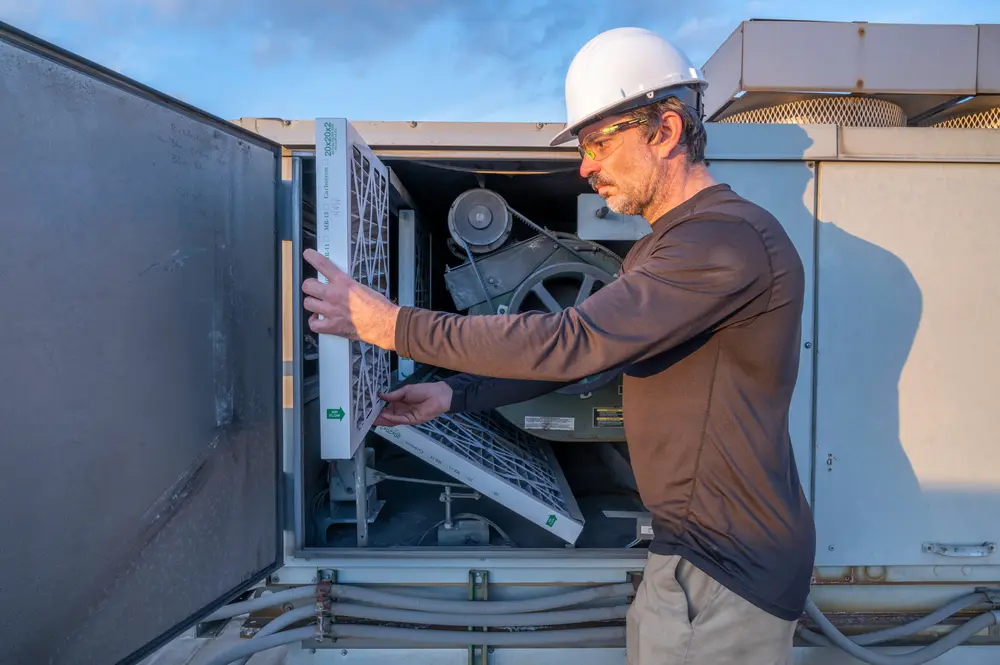
Replace HVAC filters at the interval appropriate for your equipment and building conditions. Keep outdoor HVAC components free from leaves and obvious obstructions. Check exposed plumbing periodically for moisture, corrosion, or slow drips.
Property owners can also periodically test accessible GFCI receptacles according to manufacturer instructions and pay attention to recurring breaker trips or electrical odors.
For commercial properties, maintenance should also account for occupancy, business hours, equipment loads, and the consequences of downtime.
DIY maintenance should stop when work requires opening an electrical panel, modifying wiring, dismantling major HVAC components, accessing refrigerant, altering permanent piping, or performing work subject to permit requirements.
What Results Can Property Owners Expect From Modernization?
A properly planned modernization project can provide more dependable comfort, better system capacity, fewer recurring trouble spots, and building systems that better match current property use. The exact improvement depends on the condition of the existing equipment, building layout, selected upgrades, and how the property is operated.
An HVAC upgrade may improve temperature consistency and system performance. Plumbing improvements may address leaks, pressure problems, water-heating limitations, or aging components.
Electrical modernization can provide appropriate circuits and capacity for equipment that an older building was never designed to support.
The goal should be a property that functions better as a complete system, rather than simply installing new equipment without considering the infrastructure around it.
What Mistakes Should Property Owners Avoid?
The biggest modernization mistakes are replacing components without investigating the cause of the problem, ignoring related systems, and postponing known issues until they become emergencies.
Mistake: Automatically replacing the HVAC unit with a similar-size system.
Consequence: Existing airflow or comfort problems may remain.
Better approach: Evaluate equipment condition, airflow, property layout, and actual heating and cooling needs.
Mistake: Repairing the same plumbing problem repeatedly.
Consequence: Money is spent on symptoms while aging components continue causing trouble.
Better approach: Determine whether the affected piping or fixture has become a recurring weak point.
Mistake: Adding electrical loads wherever space appears available.
Consequence: The property’s overall electrical capacity may not match the new demand.
Better approach: Evaluate the service, panel, circuits, and proposed equipment together.
What Does a Common Local Modernization Scenario Look Like?
A common Media-area scenario is an older property being renovated for modern use while several existing systems are at different stages of their service lives. This is not a specific client case study, but it illustrates why coordinated planning matters.
Imagine a property owner renovating a kitchen or commercial suite. The new design requires additional electrical capacity. During planning, the owner also discovers older plumbing behind the wall and realizes the HVAC system has struggled to condition the renovated area.
Addressing each item separately after construction can mean reopening finished surfaces or scheduling multiple disruptive projects.
Evaluating HVAC, plumbing, and electrical needs before renovation begins gives the owner an opportunity to prioritize improvements while access is easier.
Which Services Can Support Property Modernization?
HVAC, plumbing, and electrical services can work together to address comfort problems, aging infrastructure, equipment replacement, renovations, and changing property demands.
Depending on the building, useful solutions may include HVAC evaluation or replacement, airflow improvements, plumbing repairs or upgrades, water-heating improvements, electrical panel or circuit work, updated fixtures, and electrical provisions for new equipment.
For commercial properties along the Baltimore Pike corridor or around central Media, project planning should also consider operating hours and ways to limit disruption.
For homeowners, the priorities are often comfort, dependable daily use, safety, and avoiding preventable damage.
Should You Repair Existing Systems or Replace Them?
Repair is often appropriate for an isolated problem in otherwise dependable equipment, while replacement becomes more reasonable when age, repeated failures, inadequate capacity, or broader renovation plans make continued repairs less practical.
A repair may be the better option when the problem is clearly identified and the rest of the system remains suitable for the property.
Replacement deserves stronger consideration when multiple components are deteriorating, the system no longer supports the building’s needs, or upcoming renovations make an upgrade more practical now than later.
For larger properties, a phased modernization plan may also make sense. Safety and reliability concerns can be addressed first, followed by efficiency, comfort, or convenience upgrades according to the property’s priorities and budget.
What Areas Around Media Can Benefit From Building Modernization?
Property modernization needs extend throughout Media and nearby Delaware County communities because the region includes homes, offices, retail properties, institutional buildings, and other structures of many different ages.
Owners in surrounding areas such as Wallingford, Swarthmore, Springfield, Rose Valley, Upper Providence, Middletown Township, and nearby communities may encounter similar HVAC, plumbing, and electrical challenges.
What Can Happen If Building System Problems Are Ignored?
Ignoring known HVAC, plumbing, or electrical problems can turn manageable maintenance issues into more disruptive repairs, property damage, loss of comfort, or unexpected business downtime. The longer a recurring problem continues, the greater the chance that another component or part of the building may eventually be affected.
A small leak can damage surrounding materials. An HVAC problem can worsen during a temperature extreme. An electrical issue can leave equipment or portions of a building without dependable power.
Addressing warning signs before an emergency also gives property owners more time to compare options and coordinate work around household or business schedules.
Frequently Asked Questions About Property Modernization in Media, PA
What should I upgrade first in an older Media property?
The first upgrade should address the most significant safety, reliability, or property-damage risk. Electrical concerns, active plumbing leaks, and unreliable heating during cold weather generally deserve prompt evaluation. After immediate concerns are addressed, HVAC efficiency, comfort improvements, and planned modernization can be prioritized according to the building’s needs.
Do HVAC upgrades in Media require permits?
Certain HVAC and mechanical projects in Media Borough may require permitting. The borough’s permit information includes mechanical systems such as heaters and air conditioning within its plumbing and mechanical requirements. The exact requirements depend on the scope of work, so permit needs should be confirmed before installation begins.
Should I upgrade electrical service before renovating a Delaware County property?
Electrical capacity should be evaluated early when a renovation will add significant new loads, circuits, appliances, HVAC equipment, or commercial equipment. Reviewing electrical needs before walls and finishes are completed can make it easier to coordinate required work and reduce the likelihood that finished areas need to be reopened later.
When is the best time to schedule HVAC improvements in Media?
Spring and fall are practical times to evaluate HVAC performance because they occur before the heaviest cooling and heating periods. Problems can still require service at any time, but planning non-emergency upgrades before extreme summer heat or winter cold provides more flexibility for local property owners.
Can plumbing and electrical upgrades be completed during the same renovation?
Yes, coordinating plumbing and electrical improvements during the same renovation can be practical when both systems are accessible. Kitchens, bathrooms, additions, commercial buildouts, and major remodels frequently involve several trades, making early planning useful for sequencing work, inspections, and wall closure.
Are older homes around Media automatically unsafe?
No, the age of a home alone does not determine whether its systems are unsafe. Older properties can contain systems that have been maintained or updated at different times. A professional evaluation is the best way to determine the actual condition of HVAC equipment, plumbing components, wiring, panels, and related infrastructure.
Can a commercial property stay open during system upgrades?
Some commercial upgrades can be phased or scheduled to reduce operating disruption, but the answer depends on the work involved. Businesses in Media should discuss access, electrical shutdowns, water interruptions, HVAC downtime, inspection requirements, and work areas before the project begins so scheduling can account for customers and employees.
Is it better to modernize all three systems at once?
Not necessarily, because a complete HVAC, plumbing, and electrical replacement may not be justified if portions of the property remain in good condition. A coordinated assessment can identify immediate priorities and help owners create a phased plan rather than replacing functional systems simply because another part of the building needs work.
Plan Smarter Upgrades for Your Media Property
Modernizing a property works best when upgrades are based on the building’s actual condition, current use, and long-term needs. Whether you own a home, office, retail space, or another property in the Media area, we can help you evaluate HVAC, plumbing, and electrical concerns and identify practical next steps.